
A Calling to Serve: Dr. Dan Thwaites on Volunteering and Preventive Care
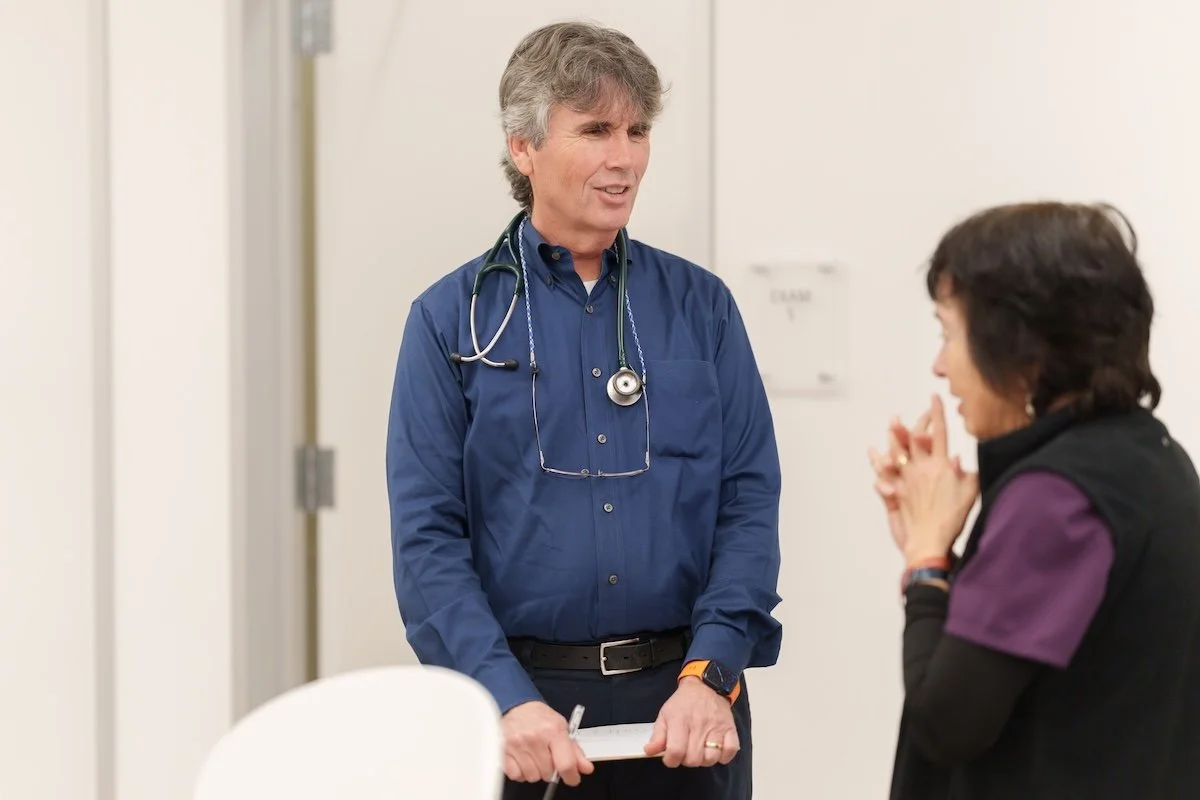
Can you tell us a little about your medical background and current role?
I’m a family medicine doctor, and I’ve also spent over a decade working as a hospice physician. Right now, I’m volunteering at the Order of Malta Clinic for two half days each week.
What inspired you to volunteer with the Order of Malta Clinic?
I had an injury that made me unable to work. After two years, I had recovered enough that I could be a practicing doctor but it would have to be different kind of work. I couldn’t work many hours a week. So, I started looking around our community for a clinic that needed volunteers and I found the Order of Malta Clinic, which caught my eye. I had always dreamed of working in a free clinic and giving back to our community.
How long have you been volunteering at the Clinic, and what keeps you coming back?
I started volunteering in November 2025, and it’s been such a rewarding journey. I’m so grateful for the chance to help patients from all over California and all over the world.
I also cherish working with an incredible team of clinicians who inspire me with their wisdom and clinical expertise. They are truly amazing.
Colorectal cancer is one of the most preventable forms of cancer, yet many people delay screening. Why are colon cancer screenings so important?
Screening helps detect colorectal cancer early, when treatment is most effective and the chances of cure are highest.
At what age should people begin screening for colorectal cancer, and are there certain risk factors that may require earlier screening?
For most people, screening should begin at age 45. Some people may need to start earlier, including those with:
A family history of colon cancer
A chronic inflammatory bowel condition
Because timing depends on your medical history, talk with a health care provider about when screening should begin.
Many people are hesitant to get a colonoscopy. What would you say to someone who is nervous or putting it off?
For regular check-ups, I often suggest a FIT (fecal immunochemical test). It’s easy to do at home and might help some people skip the colonoscopy. If the FIT comes back positive, they will need to do a colonoscopy to take a closer look inside the colon.
If someone is still unsure, I’d encourage them to chat with their healthcare provider about their worries. They can get the support they need and figure out the best way to move forward.
Can you share a memorable experience from your time volunteering at the Clinic that illustrates the impact of this work?
One patient was so thankful for the care I gave him that he invited my wife and me to his home for lunch with his family. We said, “yes” and had a wonderful time together. It was something I wouldn’t have agreed to in private practice. I’m still so grateful for the invitation. It was a very special lunch.
What would you say to other physicians who are considering volunteering their time and expertise?
Come visit the clinic, get to know the team, and see how this special clinic works. The Order of Malta Clinic is a wonderful opportunity for experienced providers to lend a hand to those who need care.